
Blog detalis
Fun Ways to Encourage Creativity in Young Children
Hands-on learning experiences improve problem-solving abilities and curiosity, allowing children to understand concepts more effectively through exploration and discovery.

Sophia Nguyen

Blog detalis
Fun Ways to Encourage Creativity in Young Children
Hands-on learning experiences improve problem-solving abilities and curiosity, allowing children to understand concepts more effectively through exploration and discovery.
Sophia Nguyen
Blog detalis
Fun Ways to Encourage Creativity in Young Children
Hands-on learning experiences improve problem-solving abilities and curiosity, allowing children to understand concepts more effectively through exploration and discovery.
Sophia Nguyen
Fun Ways to Encourage Creativity in Young Children
Creativity is one of the most important building blocks of early childhood development, as it shapes how children think, solve problems, and express themselves throughout their lives. When children are encouraged to be creative from an early age, they develop curiosity, imagination, and confidence in their own ideas. The best part is that creativity does not require expensive tools or structured lessons—simple daily activities, playful experiences, and freedom to explore can unlock a child’s natural imagination. By creating a supportive environment where children feel safe to experiment and make mistakes, parents and educators can help them build lifelong skills in innovation, communication, and independent thinking.
Open-Ended Art Activities
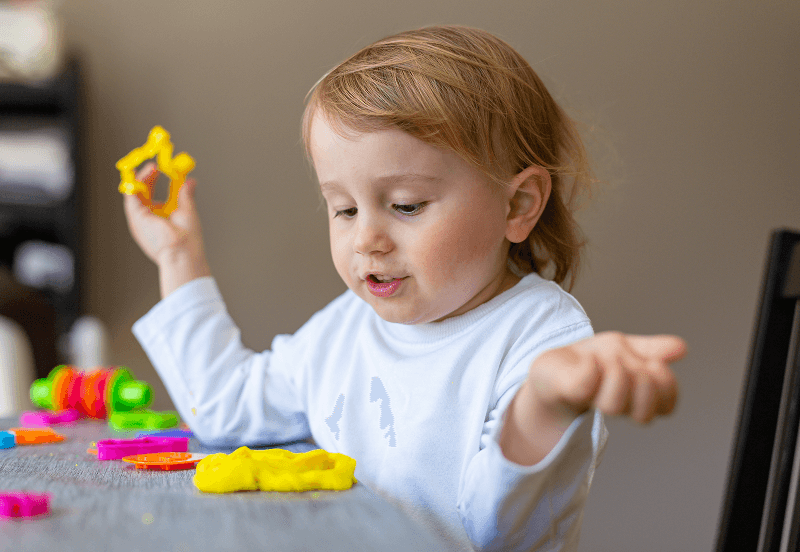
Open-ended art activities are one of the most effective ways to nurture creativity because they allow children to express themselves without limits or fixed instructions. Activities like drawing, painting, coloring, and crafting encourage children to use their imagination freely and explore different ideas at their own pace. Instead of focusing on creating a perfect result, children are encouraged to enjoy the process of mixing colors, experimenting with shapes, and expressing their thoughts visually. This type of freedom helps develop decision-making skills, strengthens fine motor abilities, and builds confidence, while also teaching children that their ideas are valuable and unique in their own way.
Imaginative Role-Playing Games
Imaginative role-playing games help children step into different characters and explore new worlds using their imagination. Whether pretending to be a teacher, doctor, firefighter, chef, or superhero, children learn how to understand different roles, situations, and perspectives in a fun and engaging way. These activities not only strengthen creativity but also improve communication skills, emotional awareness, and social understanding. Through role-play, children develop storytelling abilities, learn how to express ideas clearly, and build confidence in interacting with others while exploring endless possibilities through imaginative thinking.
Building and Construction Play
Building and construction activities using blocks, toys, or recycled materials provide children with hands-on opportunities to design, create, and experiment with structures. As they build towers, houses, or imaginative designs, they learn important skills such as planning, problem-solving, and spatial awareness. These activities encourage children to think logically while also using their creativity to bring ideas to life. When structures fall or do not work as expected, children learn patience, resilience, and the importance of trying again, which builds both confidence and a growth mindset that supports future learning.
Storytelling and Creative Writing
Storytelling and creative writing activities open a powerful door to imagination, allowing children to create their own characters, adventures, and imaginary worlds. Even simple storytelling exercises help children develop language skills, vocabulary, and the ability to organize their thoughts clearly. When children are encouraged to share their stories through speaking, drawing, or writing, they gain confidence in expressing themselves and communicating ideas effectively. These activities also strengthen memory, emotional understanding, and creativity, helping children connect language learning with imagination in a meaningful and enjoyable way.
Music and Movement Activities
Music and movement activities provide children with a joyful way to express emotions and creativity through sound, rhythm, and physical expression. Singing songs, dancing freely, playing simple instruments, or moving to rhythms helps children develop coordination, balance, and rhythm awareness while also stimulating brain development. These activities encourage self-expression, improve focus, and build confidence as children learn to express themselves without hesitation. Music-based play also supports emotional development by allowing children to connect feelings with movement and sound in a natural and enjoyable way.
Nature Exploration and Outdoor Play
Nature-based activities encourage children to explore the environment around them and develop curiosity about the natural world. Simple experiences like collecting leaves, observing insects, playing in gardens, or exploring outdoor spaces help children connect with nature while stimulating imagination and discovery. These activities encourage children to ask questions, observe details, and think creatively about what they see. Outdoor play also supports physical development, emotional well-being, and a sense of wonder, making learning more meaningful and connected to real-life experiences.
Building a Creative Future
Encouraging creativity at an early age plays a major role in shaping a child’s future success, as it helps develop essential life skills such as problem-solving, communication, adaptability, and independent thinking. Creative children grow into confident individuals who are better prepared to handle challenges and explore new opportunities with curiosity and innovation. By making creativity a regular part of daily life through fun and engaging activities, parents and educators can help children develop a strong foundation for lifelong learning, personal growth, and meaningful achievement.

Fun Ways to Encourage Creativity in Young Children
Creativity is one of the most important building blocks of early childhood development, as it shapes how children think, solve problems, and express themselves throughout their lives. When children are encouraged to be creative from an early age, they develop curiosity, imagination, and confidence in their own ideas. The best part is that creativity does not require expensive tools or structured lessons—simple daily activities, playful experiences, and freedom to explore can unlock a child’s natural imagination. By creating a supportive environment where children feel safe to experiment and make mistakes, parents and educators can help them build lifelong skills in innovation, communication, and independent thinking.
Open-Ended Art Activities
Open-ended art activities are one of the most effective ways to nurture creativity because they allow children to express themselves without limits or fixed instructions. Activities like drawing, painting, coloring, and crafting encourage children to use their imagination freely and explore different ideas at their own pace. Instead of focusing on creating a perfect result, children are encouraged to enjoy the process of mixing colors, experimenting with shapes, and expressing their thoughts visually. This type of freedom helps develop decision-making skills, strengthens fine motor abilities, and builds confidence, while also teaching children that their ideas are valuable and unique in their own way.
Imaginative Role-Playing Games
Imaginative role-playing games help children step into different characters and explore new worlds using their imagination. Whether pretending to be a teacher, doctor, firefighter, chef, or superhero, children learn how to understand different roles, situations, and perspectives in a fun and engaging way. These activities not only strengthen creativity but also improve communication skills, emotional awareness, and social understanding. Through role-play, children develop storytelling abilities, learn how to express ideas clearly, and build confidence in interacting with others while exploring endless possibilities through imaginative thinking.
Building and Construction Play
Building and construction activities using blocks, toys, or recycled materials provide children with hands-on opportunities to design, create, and experiment with structures. As they build towers, houses, or imaginative designs, they learn important skills such as planning, problem-solving, and spatial awareness. These activities encourage children to think logically while also using their creativity to bring ideas to life. When structures fall or do not work as expected, children learn patience, resilience, and the importance of trying again, which builds both confidence and a growth mindset that supports future learning.
Storytelling and Creative Writing
Storytelling and creative writing activities open a powerful door to imagination, allowing children to create their own characters, adventures, and imaginary worlds. Even simple storytelling exercises help children develop language skills, vocabulary, and the ability to organize their thoughts clearly. When children are encouraged to share their stories through speaking, drawing, or writing, they gain confidence in expressing themselves and communicating ideas effectively. These activities also strengthen memory, emotional understanding, and creativity, helping children connect language learning with imagination in a meaningful and enjoyable way.
Music and Movement Activities
Music and movement activities provide children with a joyful way to express emotions and creativity through sound, rhythm, and physical expression. Singing songs, dancing freely, playing simple instruments, or moving to rhythms helps children develop coordination, balance, and rhythm awareness while also stimulating brain development. These activities encourage self-expression, improve focus, and build confidence as children learn to express themselves without hesitation. Music-based play also supports emotional development by allowing children to connect feelings with movement and sound in a natural and enjoyable way.
Nature Exploration and Outdoor Play
Nature-based activities encourage children to explore the environment around them and develop curiosity about the natural world. Simple experiences like collecting leaves, observing insects, playing in gardens, or exploring outdoor spaces help children connect with nature while stimulating imagination and discovery. These activities encourage children to ask questions, observe details, and think creatively about what they see. Outdoor play also supports physical development, emotional well-being, and a sense of wonder, making learning more meaningful and connected to real-life experiences.
Building a Creative Future
Encouraging creativity at an early age plays a major role in shaping a child’s future success, as it helps develop essential life skills such as problem-solving, communication, adaptability, and independent thinking. Creative children grow into confident individuals who are better prepared to handle challenges and explore new opportunities with curiosity and innovation. By making creativity a regular part of daily life through fun and engaging activities, parents and educators can help children develop a strong foundation for lifelong learning, personal growth, and meaningful achievement.


Releted blogs
Join our learning community today
Join our learning community today
Support your child’s growth with a nurturing environment designed for learning, creativity, and confidence.
Support your child’s growth with a nurturing environment designed for learning, creativity, and confidence.



Join our learning community today
Support your child’s growth with a nurturing environment designed for learning, creativity, and confidence.
