
Blog detalis
Creative Play Ideas for Early Childhood Development
Music and movement activities enhance creativity, listening skills, and emotional expression, helping children learn in enjoyable and engaging ways every day.

Emily Carter

Blog detalis
Creative Play Ideas for Early Childhood Development
Music and movement activities enhance creativity, listening skills, and emotional expression, helping children learn in enjoyable and engaging ways every day.
Emily Carter
Blog detalis
Creative Play Ideas for Early Childhood Development
Music and movement activities enhance creativity, listening skills, and emotional expression, helping children learn in enjoyable and engaging ways every day.
Emily Carter
Creative Play Ideas for Early Childhood Development
Creative play is one of the most powerful ways to support early childhood development because it allows children to learn naturally through imagination, exploration, and hands-on experiences. During the early years, children are constantly discovering how the world works, and creative play gives them the freedom to experiment, express themselves, and build important life skills without pressure. These playful experiences help develop cognitive abilities, emotional intelligence, social skills, and physical coordination all at the same time. When children are encouraged to play creatively, they become more confident, curious, and motivated learners who enjoy exploring new ideas and challenges.
Imaginative Role-Play Activities
Imaginative role-play activities allow children to step into different characters and situations, such as pretending to be a doctor, teacher, chef, firefighter, or shopkeeper. This type of play helps children understand real-world roles while developing communication skills, empathy, and emotional awareness. As they create stories and act out different scenarios, they learn how to express ideas clearly and think creatively in different situations. Role-play also strengthens social interaction skills because children learn how to cooperate, share ideas, and respond to others in meaningful ways, which builds confidence and self-expression.
Building and Construction Play
Building and construction play using blocks, LEGO-style toys, or recycled materials encourages children to design, create, and experiment with structures in a hands-on way. These activities help develop spatial awareness, logical thinking, and problem-solving skills as children figure out how to balance, connect, and improve their creations. When something does not work as planned, children learn patience and resilience by trying again and improving their designs. This process teaches them that mistakes are part of learning and helps build confidence, creativity, and independent thinking.
Creative Arts and Craft Activities
Arts and craft activities give children the freedom to express their thoughts and emotions through drawing, painting, cutting, gluing, and designing. These creative experiences help develop fine motor skills, hand-eye coordination, and attention to detail while also encouraging imagination. Children learn that there is no single correct way to create art, which boosts their confidence and originality. Art activities also provide emotional release, allowing children to express feelings in a safe and enjoyable way while building a strong sense of achievement.
Storytelling and Imagination Games
Storytelling and imagination-based games help children develop language skills, creativity, and confidence in communication. Children can create their own stories, act out characters, or use toys and pictures to build imaginative worlds. These activities improve vocabulary, listening skills, and the ability to organize thoughts in a clear and structured way. As children share their stories with others, they also build confidence in public speaking and learn how to express ideas creatively while engaging with their peers.
Sensory Play Exploration
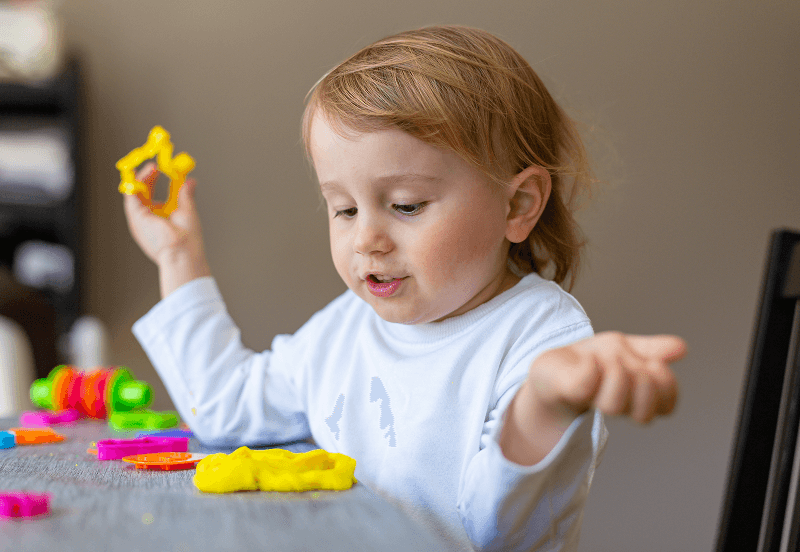
Sensory play activities involve exploring different textures, sounds, and materials such as sand, water, clay, rice, or fabric. These experiences help children understand the world through their senses while developing fine motor skills and cognitive abilities. Sensory play also supports emotional regulation by providing calming and engaging experiences that help children focus and relax. Through exploration and experimentation, children develop curiosity, problem-solving skills, and a deeper understanding of physical properties in their environment.
Music, Dance, and Movement Play
Music and movement activities allow children to express themselves through rhythm, sound, and physical activity. Singing songs, dancing freely, and playing simple instruments help improve coordination, balance, and listening skills while also supporting emotional expression. These activities stimulate brain development and encourage children to respond creatively to rhythm and sound. Music-based play also builds confidence and joy, making learning a fun and energetic experience.
Encouraging Lifelong Creativity
Creative play is not just about entertainment—it is a powerful foundation for lifelong learning and development. When children engage in imaginative, hands-on, and interactive play experiences, they build essential skills such as communication, problem-solving, collaboration, and emotional understanding. These experiences help children grow into confident, independent, and creative thinkers who are well-prepared for future academic and life challenges.

Creative Play Ideas for Early Childhood Development
Creative play is one of the most powerful ways to support early childhood development because it allows children to learn naturally through imagination, exploration, and hands-on experiences. During the early years, children are constantly discovering how the world works, and creative play gives them the freedom to experiment, express themselves, and build important life skills without pressure. These playful experiences help develop cognitive abilities, emotional intelligence, social skills, and physical coordination all at the same time. When children are encouraged to play creatively, they become more confident, curious, and motivated learners who enjoy exploring new ideas and challenges.
Imaginative Role-Play Activities
Imaginative role-play activities allow children to step into different characters and situations, such as pretending to be a doctor, teacher, chef, firefighter, or shopkeeper. This type of play helps children understand real-world roles while developing communication skills, empathy, and emotional awareness. As they create stories and act out different scenarios, they learn how to express ideas clearly and think creatively in different situations. Role-play also strengthens social interaction skills because children learn how to cooperate, share ideas, and respond to others in meaningful ways, which builds confidence and self-expression.
Building and Construction Play
Building and construction play using blocks, LEGO-style toys, or recycled materials encourages children to design, create, and experiment with structures in a hands-on way. These activities help develop spatial awareness, logical thinking, and problem-solving skills as children figure out how to balance, connect, and improve their creations. When something does not work as planned, children learn patience and resilience by trying again and improving their designs. This process teaches them that mistakes are part of learning and helps build confidence, creativity, and independent thinking.
Creative Arts and Craft Activities
Arts and craft activities give children the freedom to express their thoughts and emotions through drawing, painting, cutting, gluing, and designing. These creative experiences help develop fine motor skills, hand-eye coordination, and attention to detail while also encouraging imagination. Children learn that there is no single correct way to create art, which boosts their confidence and originality. Art activities also provide emotional release, allowing children to express feelings in a safe and enjoyable way while building a strong sense of achievement.
Storytelling and Imagination Games
Storytelling and imagination-based games help children develop language skills, creativity, and confidence in communication. Children can create their own stories, act out characters, or use toys and pictures to build imaginative worlds. These activities improve vocabulary, listening skills, and the ability to organize thoughts in a clear and structured way. As children share their stories with others, they also build confidence in public speaking and learn how to express ideas creatively while engaging with their peers.
Sensory Play Exploration
Sensory play activities involve exploring different textures, sounds, and materials such as sand, water, clay, rice, or fabric. These experiences help children understand the world through their senses while developing fine motor skills and cognitive abilities. Sensory play also supports emotional regulation by providing calming and engaging experiences that help children focus and relax. Through exploration and experimentation, children develop curiosity, problem-solving skills, and a deeper understanding of physical properties in their environment.
Music, Dance, and Movement Play
Music and movement activities allow children to express themselves through rhythm, sound, and physical activity. Singing songs, dancing freely, and playing simple instruments help improve coordination, balance, and listening skills while also supporting emotional expression. These activities stimulate brain development and encourage children to respond creatively to rhythm and sound. Music-based play also builds confidence and joy, making learning a fun and energetic experience.
Encouraging Lifelong Creativity
Creative play is not just about entertainment—it is a powerful foundation for lifelong learning and development. When children engage in imaginative, hands-on, and interactive play experiences, they build essential skills such as communication, problem-solving, collaboration, and emotional understanding. These experiences help children grow into confident, independent, and creative thinkers who are well-prepared for future academic and life challenges.


Releted blogs
Join our learning community today
Join our learning community today
Support your child’s growth with a nurturing environment designed for learning, creativity, and confidence.
Support your child’s growth with a nurturing environment designed for learning, creativity, and confidence.



Join our learning community today
Support your child’s growth with a nurturing environment designed for learning, creativity, and confidence.
