
Blog detalis
Easy Learning Activities for Curious Young Minds
Outdoor play supports physical development, coordination, and healthy habits, while encouraging children to stay active, engaged, and connected with nature.

Daniel Brooks

Blog detalis
Easy Learning Activities for Curious Young Minds
Outdoor play supports physical development, coordination, and healthy habits, while encouraging children to stay active, engaged, and connected with nature.
Daniel Brooks
Blog detalis
Easy Learning Activities for Curious Young Minds
Outdoor play supports physical development, coordination, and healthy habits, while encouraging children to stay active, engaged, and connected with nature.
Daniel Brooks
Easy Learning Activities for Curious Young Minds
Young children are naturally curious, always exploring, asking questions, and trying to understand the world around them. Easy learning activities help channel this curiosity into meaningful development by combining fun, discovery, and education. These activities do not require complex tools or advanced planning—simple everyday experiences can become powerful learning opportunities. When children learn through enjoyable activities, they develop confidence, creativity, and a positive attitude toward education that stays with them throughout their lives.
Color and Shape Sorting Games
Color and shape sorting activities help children recognize patterns, categorize objects, and develop early math skills in a simple and engaging way. By grouping items based on colors, shapes, or sizes, children improve their observation skills and logical thinking abilities. These activities also strengthen concentration and memory while making learning feel like a fun game rather than a lesson. As children successfully complete sorting tasks, they gain confidence and develop a stronger understanding of basic concepts.
Counting with Everyday Objects
Counting becomes more meaningful when children use real-life objects such as toys, fruits, steps, or household items. These hands-on activities help children understand numbers in a practical way and build a strong foundation for mathematics. By physically interacting with objects while counting, children improve number recognition, sequencing skills, and mental math abilities. This simple approach helps reduce fear of numbers and encourages a positive attitude toward learning mathematics.
Simple Storytelling Activities
Storytelling activities encourage children to use their imagination while improving language and communication skills. Parents and educators can read stories aloud or encourage children to create their own simple stories using pictures or toys. These activities help expand vocabulary, strengthen listening skills, and develop creative thinking. When children share their own stories, they also build confidence in expressing ideas clearly and creatively.
Sensory Play Experiences
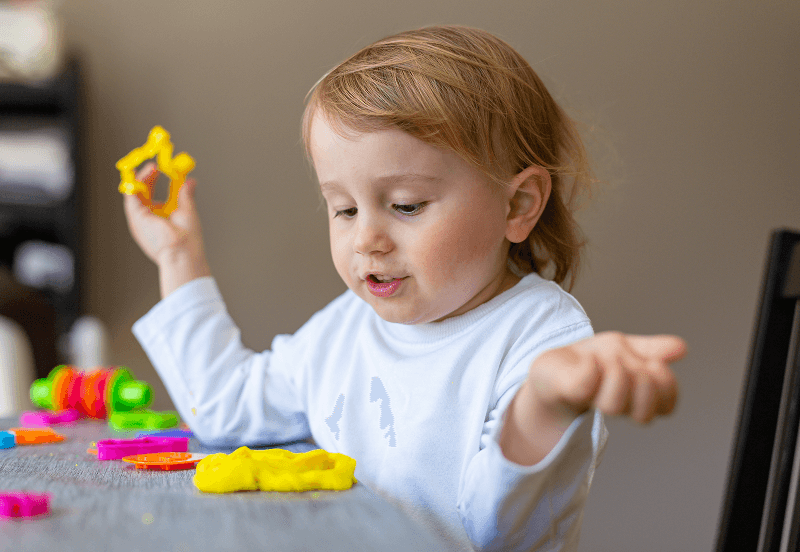
Sensory play allows children to explore different textures, sounds, and materials such as sand, water, clay, or fabric. These experiences help develop sensory awareness, fine motor skills, and cognitive development. Sensory activities encourage curiosity and exploration while also supporting emotional regulation and focus. Through hands-on interaction, children learn to observe, compare, and understand different properties of the world around them.
Outdoor Exploration Activities
Outdoor learning activities encourage children to explore nature and observe their surroundings. Simple activities like identifying plants, collecting leaves, or watching insects help children develop curiosity and environmental awareness. Outdoor exploration also supports physical development, creativity, and emotional well-being. Being outside allows children to learn in a relaxed and natural environment while developing a sense of wonder about the world.
Drawing and Coloring Practice
Drawing and coloring activities allow children to express their creativity while improving fine motor skills and hand-eye coordination. These activities help children understand colors, shapes, and patterns while giving them the freedom to express their imagination. Coloring also helps improve focus, patience, and attention to detail, making it both a relaxing and educational experience.
Learning Through Music and Rhythm
Music-based activities such as singing songs, clapping rhythms, or dancing help children develop coordination, memory, and listening skills. These activities make learning enjoyable and help children connect movement with sound and language. Music also supports emotional development by allowing children to express themselves freely and confidently in a joyful environment.

Easy Learning Activities for Curious Young Minds
Young children are naturally curious, always exploring, asking questions, and trying to understand the world around them. Easy learning activities help channel this curiosity into meaningful development by combining fun, discovery, and education. These activities do not require complex tools or advanced planning—simple everyday experiences can become powerful learning opportunities. When children learn through enjoyable activities, they develop confidence, creativity, and a positive attitude toward education that stays with them throughout their lives.
Color and Shape Sorting Games
Color and shape sorting activities help children recognize patterns, categorize objects, and develop early math skills in a simple and engaging way. By grouping items based on colors, shapes, or sizes, children improve their observation skills and logical thinking abilities. These activities also strengthen concentration and memory while making learning feel like a fun game rather than a lesson. As children successfully complete sorting tasks, they gain confidence and develop a stronger understanding of basic concepts.
Counting with Everyday Objects
Counting becomes more meaningful when children use real-life objects such as toys, fruits, steps, or household items. These hands-on activities help children understand numbers in a practical way and build a strong foundation for mathematics. By physically interacting with objects while counting, children improve number recognition, sequencing skills, and mental math abilities. This simple approach helps reduce fear of numbers and encourages a positive attitude toward learning mathematics.
Simple Storytelling Activities
Storytelling activities encourage children to use their imagination while improving language and communication skills. Parents and educators can read stories aloud or encourage children to create their own simple stories using pictures or toys. These activities help expand vocabulary, strengthen listening skills, and develop creative thinking. When children share their own stories, they also build confidence in expressing ideas clearly and creatively.
Sensory Play Experiences
Sensory play allows children to explore different textures, sounds, and materials such as sand, water, clay, or fabric. These experiences help develop sensory awareness, fine motor skills, and cognitive development. Sensory activities encourage curiosity and exploration while also supporting emotional regulation and focus. Through hands-on interaction, children learn to observe, compare, and understand different properties of the world around them.
Outdoor Exploration Activities
Outdoor learning activities encourage children to explore nature and observe their surroundings. Simple activities like identifying plants, collecting leaves, or watching insects help children develop curiosity and environmental awareness. Outdoor exploration also supports physical development, creativity, and emotional well-being. Being outside allows children to learn in a relaxed and natural environment while developing a sense of wonder about the world.
Drawing and Coloring Practice
Drawing and coloring activities allow children to express their creativity while improving fine motor skills and hand-eye coordination. These activities help children understand colors, shapes, and patterns while giving them the freedom to express their imagination. Coloring also helps improve focus, patience, and attention to detail, making it both a relaxing and educational experience.
Learning Through Music and Rhythm
Music-based activities such as singing songs, clapping rhythms, or dancing help children develop coordination, memory, and listening skills. These activities make learning enjoyable and help children connect movement with sound and language. Music also supports emotional development by allowing children to express themselves freely and confidently in a joyful environment.


Releted blogs
Join our learning community today
Join our learning community today
Support your child’s growth with a nurturing environment designed for learning, creativity, and confidence.
Support your child’s growth with a nurturing environment designed for learning, creativity, and confidence.



Join our learning community today
Support your child’s growth with a nurturing environment designed for learning, creativity, and confidence.
