
Blog detalis
Creative Games That Make Learning Fun for Kids
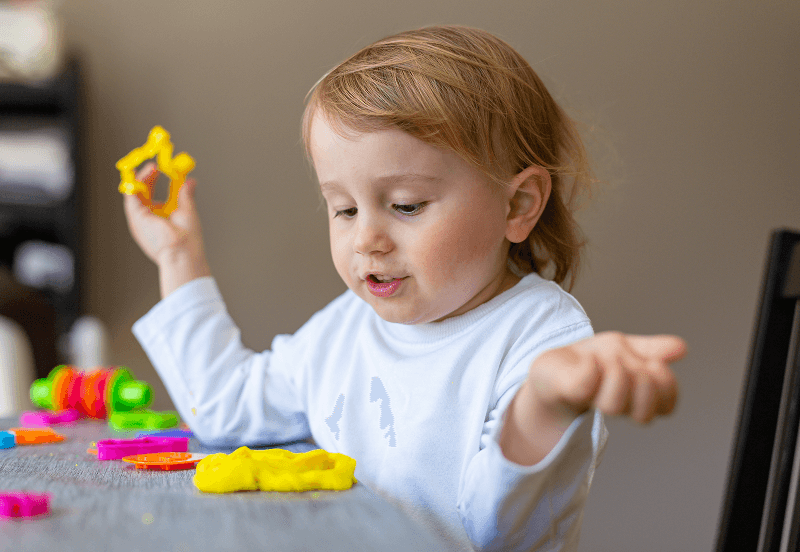
Creative activities encourage imagination, critical thinking, and self-expression, helping children explore new ideas while building confidence and essential learning skills.

Sophil Taylor

Blog detalis
Creative Games That Make Learning Fun for Kids
Creative activities encourage imagination, critical thinking, and self-expression, helping children explore new ideas while building confidence and essential learning skills.
Sophil Taylor
Blog detalis
Creative Games That Make Learning Fun for Kids
Creative activities encourage imagination, critical thinking, and self-expression, helping children explore new ideas while building confidence and essential learning skills.
Sophil Taylor
Creative Games That Make Learning Fun for Kids
Learning is most effective when children are actively involved and genuinely enjoying the experience. Creative educational games transform ordinary lessons into exciting adventures that capture children's attention and encourage participation. Rather than simply memorizing information, children learn by exploring, experimenting, and interacting with the world around them. These engaging activities help develop important academic, social, emotional, and cognitive skills while making education feel less like a task and more like an enjoyable journey of discovery. By incorporating creative games into daily routines, parents and educators can inspire a lifelong love of learning and help children build confidence in their abilities.
Puzzle Challenges for Problem-Solving
Puzzles are one of the most effective tools for developing critical thinking and problem-solving skills in children. Whether working with jigsaw puzzles, shape-matching activities, logic games, or brain teasers, children learn how to analyze information, identify patterns, and develop strategies for reaching solutions. These activities encourage patience, persistence, and attention to detail while helping children understand that challenges can be overcome through effort and creative thinking. As children successfully complete puzzles, they gain confidence in their abilities and develop a positive attitude toward solving problems both inside and outside the classroom.
Educational Scavenger Hunts
Scavenger hunts provide an exciting way for children to learn while staying physically active and engaged. By searching for objects related to colors, numbers, letters, shapes, animals, or science concepts, children improve observation skills and learn how to follow instructions carefully. These activities encourage curiosity and exploration while helping children develop memory, concentration, and critical thinking abilities. When conducted in groups, scavenger hunts also promote teamwork, communication, and cooperation, making learning a social and enjoyable experience that children eagerly look forward to.
Storytelling and Role-Playing Games
Storytelling and role-playing activities open the door to imagination and creativity while supporting language and communication development. Children can create their own stories, act out different characters, or participate in imaginative scenarios that encourage them to think creatively and express their ideas confidently. These activities help improve vocabulary, listening skills, emotional understanding, and social awareness. Through role-playing, children learn how to view situations from different perspectives, develop empathy, and practice problem-solving in a fun and supportive environment. Story-based learning also strengthens memory and helps children develop a deeper understanding of the world around them.
Memory Matching Activities
Memory games provide excellent opportunities to strengthen concentration, attention span, and cognitive development. Activities such as matching cards, picture recognition games, and sequencing challenges encourage children to focus carefully and remember important details. As children practice recalling information and identifying connections, they develop stronger memory skills that support academic learning across many subjects. These games are both entertaining and educational, helping children improve mental agility while building confidence in their ability to remember and process information effectively.
Building and Construction Challenges
Construction-based games encourage children to think creatively while developing important problem-solving and engineering skills. Using blocks, building sets, recycled materials, or other creative resources, children experiment with different structures and designs while learning about balance, shape, and spatial awareness. These hands-on experiences strengthen fine motor skills, encourage logical thinking, and inspire innovation. Children also learn valuable lessons about planning, testing ideas, and making improvements when things do not go as expected. Through building challenges, young learners gain confidence in their ability to create, design, and solve complex problems independently.
Word and Letter Games
Language-based games make literacy development exciting and interactive. Activities such as word-building challenges, alphabet hunts, spelling competitions, and vocabulary games help children strengthen reading and writing skills in an enjoyable way. These games encourage children to explore language, recognize letter patterns, and expand their vocabulary while improving communication abilities. By turning literacy practice into a fun experience, children become more motivated to read, write, and express themselves confidently. Strong language skills developed through play also contribute to greater academic success in many other subjects.
Benefits of Learning Through Games
Creative educational games offer far more than entertainment. They create meaningful learning experiences that encourage curiosity, build confidence, and support well-rounded development. Through games, children strengthen academic skills, improve social interactions, develop emotional resilience, and enhance their ability to think critically and creatively. Learning becomes more enjoyable, memorable, and effective when children are actively involved in the process. By making education fun and engaging, creative games help children develop a positive relationship with learning that can inspire success and personal growth for years to come.

Creative Games That Make Learning Fun for Kids
Learning is most effective when children are actively involved and genuinely enjoying the experience. Creative educational games transform ordinary lessons into exciting adventures that capture children's attention and encourage participation. Rather than simply memorizing information, children learn by exploring, experimenting, and interacting with the world around them. These engaging activities help develop important academic, social, emotional, and cognitive skills while making education feel less like a task and more like an enjoyable journey of discovery. By incorporating creative games into daily routines, parents and educators can inspire a lifelong love of learning and help children build confidence in their abilities.
Puzzle Challenges for Problem-Solving
Puzzles are one of the most effective tools for developing critical thinking and problem-solving skills in children. Whether working with jigsaw puzzles, shape-matching activities, logic games, or brain teasers, children learn how to analyze information, identify patterns, and develop strategies for reaching solutions. These activities encourage patience, persistence, and attention to detail while helping children understand that challenges can be overcome through effort and creative thinking. As children successfully complete puzzles, they gain confidence in their abilities and develop a positive attitude toward solving problems both inside and outside the classroom.
Educational Scavenger Hunts
Scavenger hunts provide an exciting way for children to learn while staying physically active and engaged. By searching for objects related to colors, numbers, letters, shapes, animals, or science concepts, children improve observation skills and learn how to follow instructions carefully. These activities encourage curiosity and exploration while helping children develop memory, concentration, and critical thinking abilities. When conducted in groups, scavenger hunts also promote teamwork, communication, and cooperation, making learning a social and enjoyable experience that children eagerly look forward to.
Storytelling and Role-Playing Games
Storytelling and role-playing activities open the door to imagination and creativity while supporting language and communication development. Children can create their own stories, act out different characters, or participate in imaginative scenarios that encourage them to think creatively and express their ideas confidently. These activities help improve vocabulary, listening skills, emotional understanding, and social awareness. Through role-playing, children learn how to view situations from different perspectives, develop empathy, and practice problem-solving in a fun and supportive environment. Story-based learning also strengthens memory and helps children develop a deeper understanding of the world around them.
Memory Matching Activities
Memory games provide excellent opportunities to strengthen concentration, attention span, and cognitive development. Activities such as matching cards, picture recognition games, and sequencing challenges encourage children to focus carefully and remember important details. As children practice recalling information and identifying connections, they develop stronger memory skills that support academic learning across many subjects. These games are both entertaining and educational, helping children improve mental agility while building confidence in their ability to remember and process information effectively.
Building and Construction Challenges
Construction-based games encourage children to think creatively while developing important problem-solving and engineering skills. Using blocks, building sets, recycled materials, or other creative resources, children experiment with different structures and designs while learning about balance, shape, and spatial awareness. These hands-on experiences strengthen fine motor skills, encourage logical thinking, and inspire innovation. Children also learn valuable lessons about planning, testing ideas, and making improvements when things do not go as expected. Through building challenges, young learners gain confidence in their ability to create, design, and solve complex problems independently.
Word and Letter Games
Language-based games make literacy development exciting and interactive. Activities such as word-building challenges, alphabet hunts, spelling competitions, and vocabulary games help children strengthen reading and writing skills in an enjoyable way. These games encourage children to explore language, recognize letter patterns, and expand their vocabulary while improving communication abilities. By turning literacy practice into a fun experience, children become more motivated to read, write, and express themselves confidently. Strong language skills developed through play also contribute to greater academic success in many other subjects.
Benefits of Learning Through Games
Creative educational games offer far more than entertainment. They create meaningful learning experiences that encourage curiosity, build confidence, and support well-rounded development. Through games, children strengthen academic skills, improve social interactions, develop emotional resilience, and enhance their ability to think critically and creatively. Learning becomes more enjoyable, memorable, and effective when children are actively involved in the process. By making education fun and engaging, creative games help children develop a positive relationship with learning that can inspire success and personal growth for years to come.


Releted blogs
Join our learning community today
Join our learning community today
Support your child’s growth with a nurturing environment designed for learning, creativity, and confidence.
Support your child’s growth with a nurturing environment designed for learning, creativity, and confidence.



Join our learning community today
Support your child’s growth with a nurturing environment designed for learning, creativity, and confidence.
