
Blog detalis
How Art and Play Support Your Child’s Development
Group activities promote teamwork, cooperation, and social interaction, helping children develop meaningful friendships and important interpersonal skills from an early age.

Emma Wilson

Blog detalis
How Art and Play Support Your Child’s Development
Group activities promote teamwork, cooperation, and social interaction, helping children develop meaningful friendships and important interpersonal skills from an early age.
Emma Wilson
Blog detalis
How Art and Play Support Your Child’s Development
Group activities promote teamwork, cooperation, and social interaction, helping children develop meaningful friendships and important interpersonal skills from an early age.
Emma Wilson
How Art and Play Support Your Child’s Development
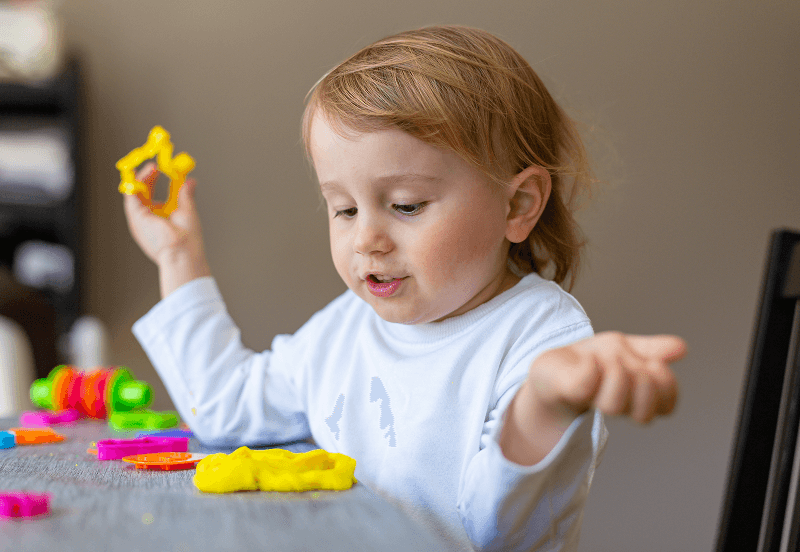
Art and play are essential parts of a child’s early development because they naturally combine learning with enjoyment. When children are engaged in creative activities and playful experiences, they are not only having fun but also developing important cognitive, emotional, social, and physical skills that shape their overall growth. These activities allow children to explore the world at their own pace, express their feelings freely, and build confidence in their abilities. Through consistent exposure to art and play, children develop curiosity, imagination, and a positive attitude toward learning, which creates a strong foundation for lifelong development and success.
Boosting Creativity and Imagination
Art and play give children the freedom to think beyond boundaries and explore their imagination in meaningful ways. Whether they are drawing, painting, building structures, or engaging in pretend play, children learn how to create their own ideas and express them in unique forms. This process encourages original thinking and helps children understand that there can be many different solutions to a single problem. Over time, this creative freedom strengthens their ability to think independently, develop innovative ideas, and approach challenges with confidence and flexibility in both academic and real-life situations.
Supporting Emotional Development
Creative activities provide children with a safe and supportive space to express their emotions without fear or pressure. Through art and play, children can communicate feelings such as happiness, sadness, excitement, or frustration in healthy and constructive ways. This emotional expression helps them become more self-aware and better understand their own thoughts and reactions. As they grow, children also learn how to manage their emotions more effectively, build emotional resilience, and respond calmly to different situations, which is essential for personal development and mental well-being.
Improving Communication Skills
Art and play play a significant role in helping children develop strong communication skills from an early age. Through storytelling, role-playing, group activities, and interactive games, children learn how to express their ideas clearly and listen to others with understanding and respect. Artistic activities also provide non-verbal communication opportunities where children can share their thoughts visually through drawings and creative projects. These experiences help children become more confident in expressing themselves and improve their ability to communicate effectively in both social and educational environments.
Enhancing Cognitive Development
Engaging in creative and playful activities stimulates brain development by encouraging children to think, analyze, and solve problems in different ways. Activities such as puzzles, building blocks, drawing exercises, and imaginative games help children develop memory, focus, and logical reasoning skills. They learn how to recognize patterns, understand relationships, and make decisions based on observation and experience. This active form of learning strengthens cognitive abilities and prepares children for academic challenges by making them more attentive, curious, and capable of independent thinking.
Strengthening Physical Skills
Art and play also contribute significantly to the development of both fine and gross motor skills. Activities like drawing, coloring, cutting, and crafting help children improve hand-eye coordination and control, while physical play such as running, jumping, and dancing enhances strength, balance, and overall body coordination. These physical activities support healthy growth and development while also improving focus and energy levels. As children practice these skills regularly, they become more confident in their physical abilities and better prepared for daily tasks and activities.
Increasing Confidence and Independence
When children participate in art and play activities, they experience a sense of achievement every time they complete a task or create something new. This feeling of success builds self-confidence and encourages them to take initiative in future activities. As children are given opportunities to make choices, solve problems, and complete tasks on their own, they gradually develop independence and self-reliance. These experiences help them trust their abilities, take on new challenges, and approach learning with a positive and motivated mindset.
Encouraging Lifelong Learning
One of the most important benefits of art and play is that they make learning enjoyable and meaningful for children. When education is connected with creativity and fun, children naturally develop curiosity and enthusiasm for discovering new things. This positive experience with learning at an early age helps them build a strong foundation for future academic success. As they grow, this love for learning continues to inspire them to explore new ideas, develop new skills, and remain motivated throughout their educational journey and beyond.

How Art and Play Support Your Child’s Development
Art and play are essential parts of a child’s early development because they naturally combine learning with enjoyment. When children are engaged in creative activities and playful experiences, they are not only having fun but also developing important cognitive, emotional, social, and physical skills that shape their overall growth. These activities allow children to explore the world at their own pace, express their feelings freely, and build confidence in their abilities. Through consistent exposure to art and play, children develop curiosity, imagination, and a positive attitude toward learning, which creates a strong foundation for lifelong development and success.
Boosting Creativity and Imagination
Art and play give children the freedom to think beyond boundaries and explore their imagination in meaningful ways. Whether they are drawing, painting, building structures, or engaging in pretend play, children learn how to create their own ideas and express them in unique forms. This process encourages original thinking and helps children understand that there can be many different solutions to a single problem. Over time, this creative freedom strengthens their ability to think independently, develop innovative ideas, and approach challenges with confidence and flexibility in both academic and real-life situations.
Supporting Emotional Development
Creative activities provide children with a safe and supportive space to express their emotions without fear or pressure. Through art and play, children can communicate feelings such as happiness, sadness, excitement, or frustration in healthy and constructive ways. This emotional expression helps them become more self-aware and better understand their own thoughts and reactions. As they grow, children also learn how to manage their emotions more effectively, build emotional resilience, and respond calmly to different situations, which is essential for personal development and mental well-being.
Improving Communication Skills
Art and play play a significant role in helping children develop strong communication skills from an early age. Through storytelling, role-playing, group activities, and interactive games, children learn how to express their ideas clearly and listen to others with understanding and respect. Artistic activities also provide non-verbal communication opportunities where children can share their thoughts visually through drawings and creative projects. These experiences help children become more confident in expressing themselves and improve their ability to communicate effectively in both social and educational environments.
Enhancing Cognitive Development
Engaging in creative and playful activities stimulates brain development by encouraging children to think, analyze, and solve problems in different ways. Activities such as puzzles, building blocks, drawing exercises, and imaginative games help children develop memory, focus, and logical reasoning skills. They learn how to recognize patterns, understand relationships, and make decisions based on observation and experience. This active form of learning strengthens cognitive abilities and prepares children for academic challenges by making them more attentive, curious, and capable of independent thinking.
Strengthening Physical Skills
Art and play also contribute significantly to the development of both fine and gross motor skills. Activities like drawing, coloring, cutting, and crafting help children improve hand-eye coordination and control, while physical play such as running, jumping, and dancing enhances strength, balance, and overall body coordination. These physical activities support healthy growth and development while also improving focus and energy levels. As children practice these skills regularly, they become more confident in their physical abilities and better prepared for daily tasks and activities.
Increasing Confidence and Independence
When children participate in art and play activities, they experience a sense of achievement every time they complete a task or create something new. This feeling of success builds self-confidence and encourages them to take initiative in future activities. As children are given opportunities to make choices, solve problems, and complete tasks on their own, they gradually develop independence and self-reliance. These experiences help them trust their abilities, take on new challenges, and approach learning with a positive and motivated mindset.
Encouraging Lifelong Learning
One of the most important benefits of art and play is that they make learning enjoyable and meaningful for children. When education is connected with creativity and fun, children naturally develop curiosity and enthusiasm for discovering new things. This positive experience with learning at an early age helps them build a strong foundation for future academic success. As they grow, this love for learning continues to inspire them to explore new ideas, develop new skills, and remain motivated throughout their educational journey and beyond.


Releted blogs
Join our learning community today
Join our learning community today
Support your child’s growth with a nurturing environment designed for learning, creativity, and confidence.
Support your child’s growth with a nurturing environment designed for learning, creativity, and confidence.



Join our learning community today
Support your child’s growth with a nurturing environment designed for learning, creativity, and confidence.
